Free to Loiter: The Great Scavenger Hunt for America's Lost Hangout Spots
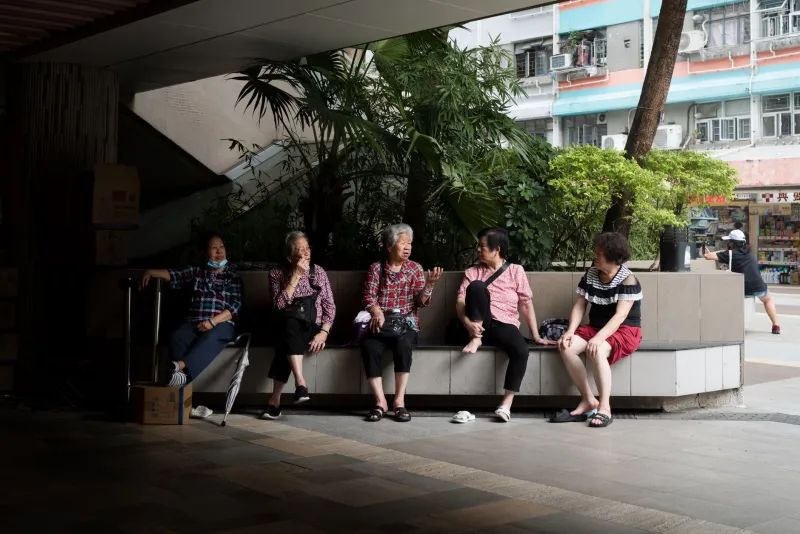
There's a moment happening outside a hardware store in Dayton, Ohio, that tells you almost everything you need to know about where American social life is headed. Every Saturday morning, a handful of retirees and a rotating cast of twenty-somethings occupy the bench outside the entrance. They talk about weather, zoning, and whether the new taco place on Fifth is any good. Nobody bought anything. Nobody works there. The store's owner, by all accounts, thinks it's great.
Sociologist Ray Oldenburg coined the term 'third place' back in 1989 to describe the spaces that aren't home and aren't work — the taverns, barbershops, and diners where community actually gets made. What he didn't predict was that by the 2020s, the third place would mostly be a parking lot, a library wing, or a folding chair under a carport.
What Happened to Just Showing Up
The collapse wasn't mysterious. Malls closed or went upscale. Coffee shops, once the default living room of the public, started charging rent disguised as lattes — try lingering four hours over a $2 drip when the menu bottoms out at seven bucks. Bars recovered from the pandemic slower than their patios did. Even churches, historically the most reliable free indoor gathering space in America, saw attendance slide.
Layered on top of that is the quiet criminalization of loitering. Somewhere along the line, standing around became suspicious. Public plazas got designed with hostile architecture — benches with armrests every two feet so nobody can lie down, let alone settle in with a friend. The message was clear: keep moving, keep consuming, or go home.
A lot of people went home. And then, eventually, a lot of them got lonely enough to come back outside.
The New Third Places Look Suspiciously Like Old Ones
Here's the thing about the revival: it's not happening in shiny coworking spaces or subscription-based social clubs, though those exist. It's happening in the scruffy, unbranded margins.
Public libraries have quietly become the last free indoor infrastructure in America. Branch librarians report teens staying for hours, not because of programs, but because it's warm, safe, and nobody asks them to buy anything. Some libraries now stock board games and coffee machines. The reference desk has become a de facto concierge for civic life.
Church basements — even for the unchurched — are hosting everything from D&D nights to repair cafés where volunteers fix toasters for free. A Presbyterian hall in Kansas City runs a monthly 'no agenda potluck' that draws more atheists than deacons. The pastor's take: 'Jesus fed people. We're just keeping the tradition going.'
And then there are the improvised spots. The tailgate of a pickup in a cul-de-sac, stocked with folding chairs and a cooler. The covered porch of a corner store where the owner leaves two chairs out. The trailhead parking area where hikers linger long after their dogs have finished sniffing everything. These aren't destinations in any guidebook. They're just places where somebody decided that hanging out was a legitimate use of space.
Rebuilding Without a Permit
What makes this movement genuinely interesting is how unofficial it is. Nobody's waiting for a city council to fund a community center. The playbook, as far as anyone can tell, looks like this:
Find a spot that already has shade or heat. Comfort is the whole business model.
Bring something to do with your hands. Cards, knitting, a bike that needs minor adjustments. Idle hands get asked to move along; busy ones get invited to stay.
Be regular. The magic ingredient of every third place is repetition. Show up at the same time, same bench, three Saturdays in a row, and you've got an institution.
Leave it better. Pick up the trash. Say hi to the shop owner. The space survives because people treat it like it belongs to them — because it does.
Why This Actually Matters
It's tempting to file all this under 'charming' and move on. But the research keeps piling up: social isolation is as dangerous to health as smoking, and the antidote isn't a wellness app. It's other people, encountered casually, repeatedly, and without an invoice.
The third places being rebuilt right now won't show up in economic development reports. No ribbon cuttings, no tax incentives. Just a bench outside a hardware store in Ohio, slowly filling up with people who decided that belonging to a place is worth the price of showing up — which, conveniently, is nothing.