The Porch Wave Is a Gateway Drug: A Skeptic's Guide to Meeting Your Neighbors
Let's start with an uncomfortable poll result that keeps replicating itself: a majority of Americans say they've never had a conversation with most of the people on their block. Not a falling-out. Not a feud. Just... nothing. We can name the entire cast of a show that got canceled in 2019, but not the person whose trash cans sit twelve inches from ours twice a week.
The fix, thankfully, doesn't require you to become a block party captain or join the HOA board. Neighborliness turns out to be less a personality trait than a ladder — and each rung is stupidly easy. Here's the climb, from bottom to top.
Rung One: The Strategic Wave
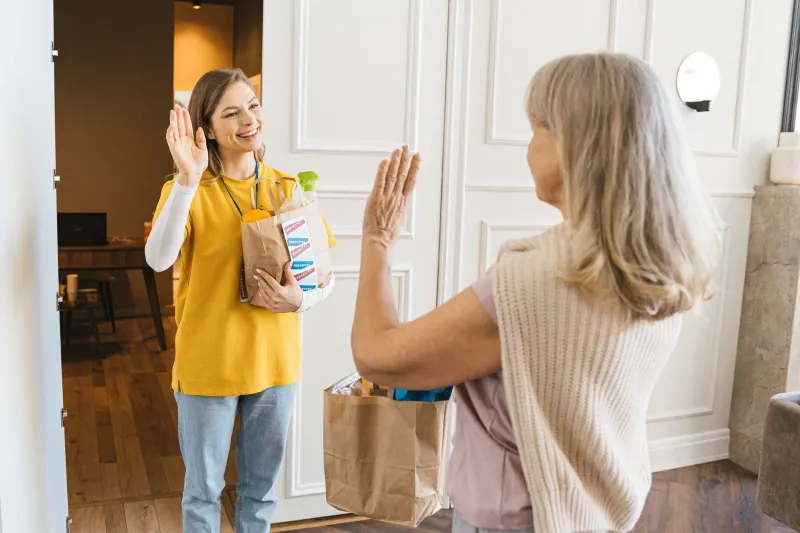
This is the entry-level move, and it's more powerful than it sounds. When you see a neighbor outside, make eye contact, nod, raise a hand. That's it. You're not committing to a friendship; you're establishing that you've noticed each other exist. Psychologists call this 'familiarity priming.' Everyone else calls it being normal.
Do this for two weeks and you'll notice something strange: the neighborhood starts feeling inhabited. You've built the raw material that everything else is made from.
Rung Two: The Name Exchange
At some point, upgrade from wave to words. 'Hey, I'm Dana — I'm in 4B' or 'I'm the one with the loud golden retriever.' You're not making conversation; you're making an index entry. Names turn strangers into people, and people into resources when a pipe bursts at midnight.
Pro tip: the dog excuse is a legal loophole. Nobody suspects an agenda when you're asking to pet a corgi.
Rung Three: The Borrowed-Tool Economy
Now we're getting somewhere. Need a ladder, a stud finder, a socket wrench you'll use exactly once? Ask before you buy. The borrowed-tool exchange is the oldest social contract in residential America, and it does something remarkable: it creates a debt that can only be repaid in continued contact. Your neighbor now has a small, pleasant claim on your future. That's not a burden — that's a relationship.
And when they ask to borrow your hedge trimmer in return, say yes immediately. The economy only works if money never changes hands.
Rung Four: The Micro-Favor
This is where trust gets its teeth. Taking in a package. Watering plants while someone's at a funeral. Texting 'saw your garage open and it's raining.' Each one is small enough to be deniable and significant enough to matter. Sociologists have a phrase for the pattern — 'weak ties doing heavy lifting' — because study after study shows these shallow-seeming connections are what people actually rely on in emergencies.
Rung Five: The Porch Sit
The top rung isn't a dinner party. It's the unremarkable act of sitting outside where you can be seen, drink in hand, available for whatever drifts by. Front porches were standard American architecture for a reason: they made presence visible. You don't have to host anything. You just have to be findable.
Why Bother
Because the return on investment is absurd. Therapists cost $150 an hour; borrowing an egg costs nothing and comes with a bonus human. Research consistently links neighborhood connection to lower anxiety, faster recovery from crises, and even lower crime — would-be burglars notice when a block has eyes on it.
Nobody's saying you have to love these people. You just have to know them. Start with the wave. See where it goes.